Urinary Incontinence: Effective, Evidence-Based Women’s Health Treatment
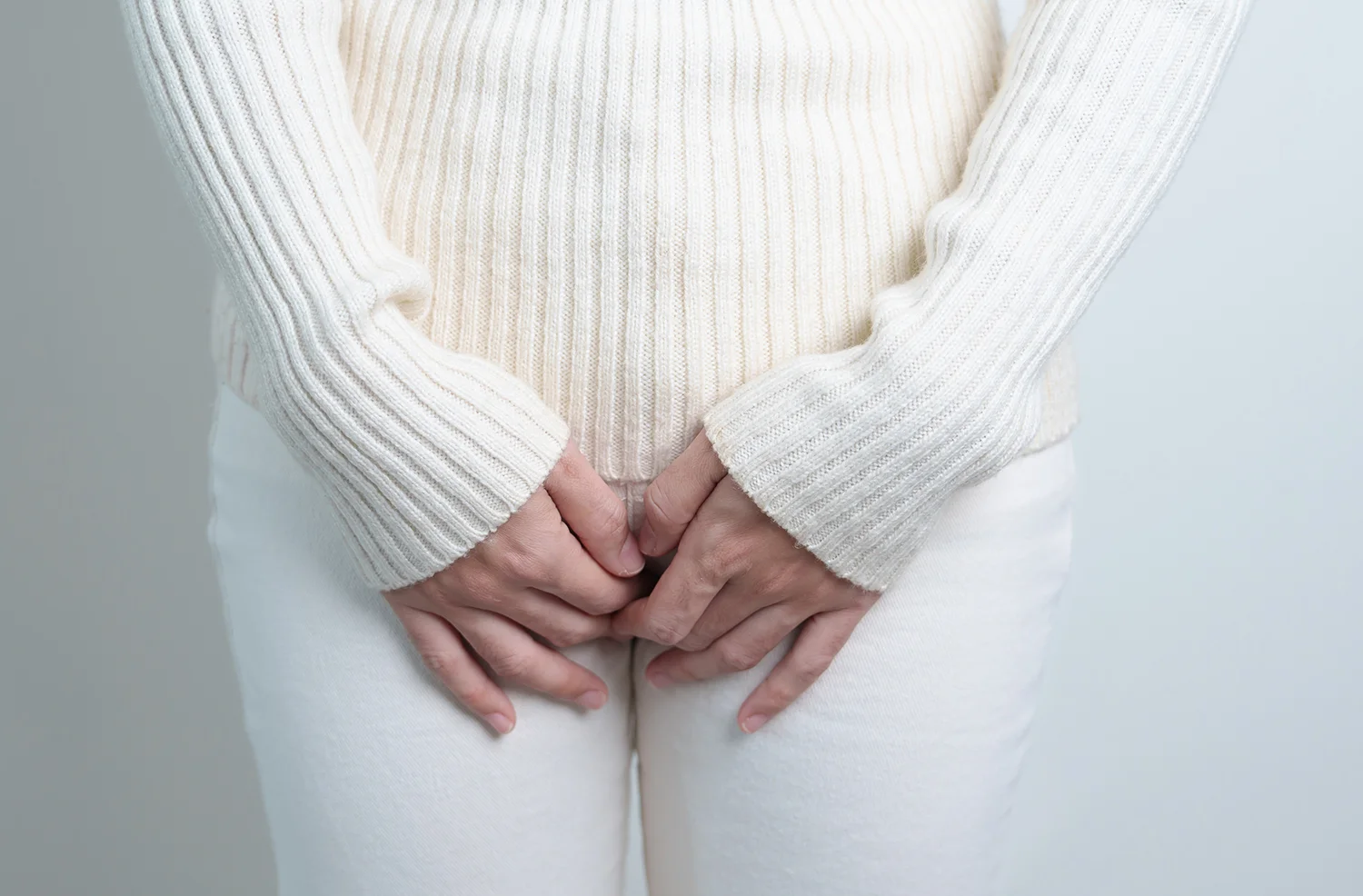
Urinary incontinence is one of the most common women’s health issues, affecting women of all ages. While it may feel embarrassing, it is highly treatable, and many women regain confidence with personalised pelvic floor rehabilitation.
What Is Urinary Incontinence?
Incontinence refers to involuntary leakage of urine. This may happen with coughing, sneezing, exercise (stress incontinence), or a sudden urge to go (urge incontinence). Some women experience a combination of both.
Common Symptoms Include:
- Leaking during movement, coughing, or lifting
- Urgency or frequency
- Feeling unable to fully empty the bladder
- Reduced confidence with exercise or social activities
Why It Affects Women
Pregnancy, childbirth, menopause, hormonal changes, and pelvic floor load all increase vulnerability. Women often encounter these contributing factors more often than men.
When to Seek Help
If bladder control affects your daily life or exercise routine, women’s health physiotherapy can offer supportive, evidence-based strategies to help.
How Women’s Health Physiotherapy Can Help
A specialist assessment may include:
- Pelvic floor strengthening
- Bladder training and urge-suppression techniques
- Lifestyle and load-management coaching
- Breath and core coordination work
- Education to reduce worry and build confidence
Benefits of Early Assessment
Early intervention helps improve bladder control, reduce urgency, and support long-term pelvic health. Most women see meaningful improvement with consistent guidance.

FAQs
Is urinary incontinence normal after childbirth?
Common, yes — but treatable and not something you need to live with.
Will exercises help?
Targeted pelvic floor work is often very effective.
Do I need a referral?
No, you can self-refer for specialist assessment.
Can symptoms improve at any age?
Yes — pelvic floor rehabilitation can benefit women across the lifespan.