Rheumatoid Arthritis (RA)
Rheumatoid arthritis is a common autoimmune complaint.
Rheumatoid Arthritis FAQs
Problems with Rheumatoid Arthritis (RA)
In most cases of RA, the sufferer’s own immune system begins mistakenly attacking the tissues of the sufferer’s joints in the same way that it would normally attack problematic bacteria, viruses or foreign bodies. These attacks cause tissue inflammation, and in time can cause the synovium, the tissue that lines the joints themselves, to thicken and harden.
If these attacks continue unchecked, the damage can spread to the cartilage, or to the structure of the bones themselves. As the cartilage begins to die off, the bones get packed closer together at the joints, or can begin to dissociate to a greater or lesser degree. This can result in stiffness and lack of mobility or loose, unstable joints. In either case, there is often long term pain and discomfort.
The joints of the hands and feet, wrists and ankles, and elbows and knees are the most commonly affected by RA. Rarely only one hand, knee, etc. will be affected, but more commonly the complaint affects both sides symmetrically.
Can a Physiotherapy help with rheumatoid Arthritis?
Many patients worry that exercise will increase pain and damage their joints but one of the best things you can do if you have RA is to keep active.
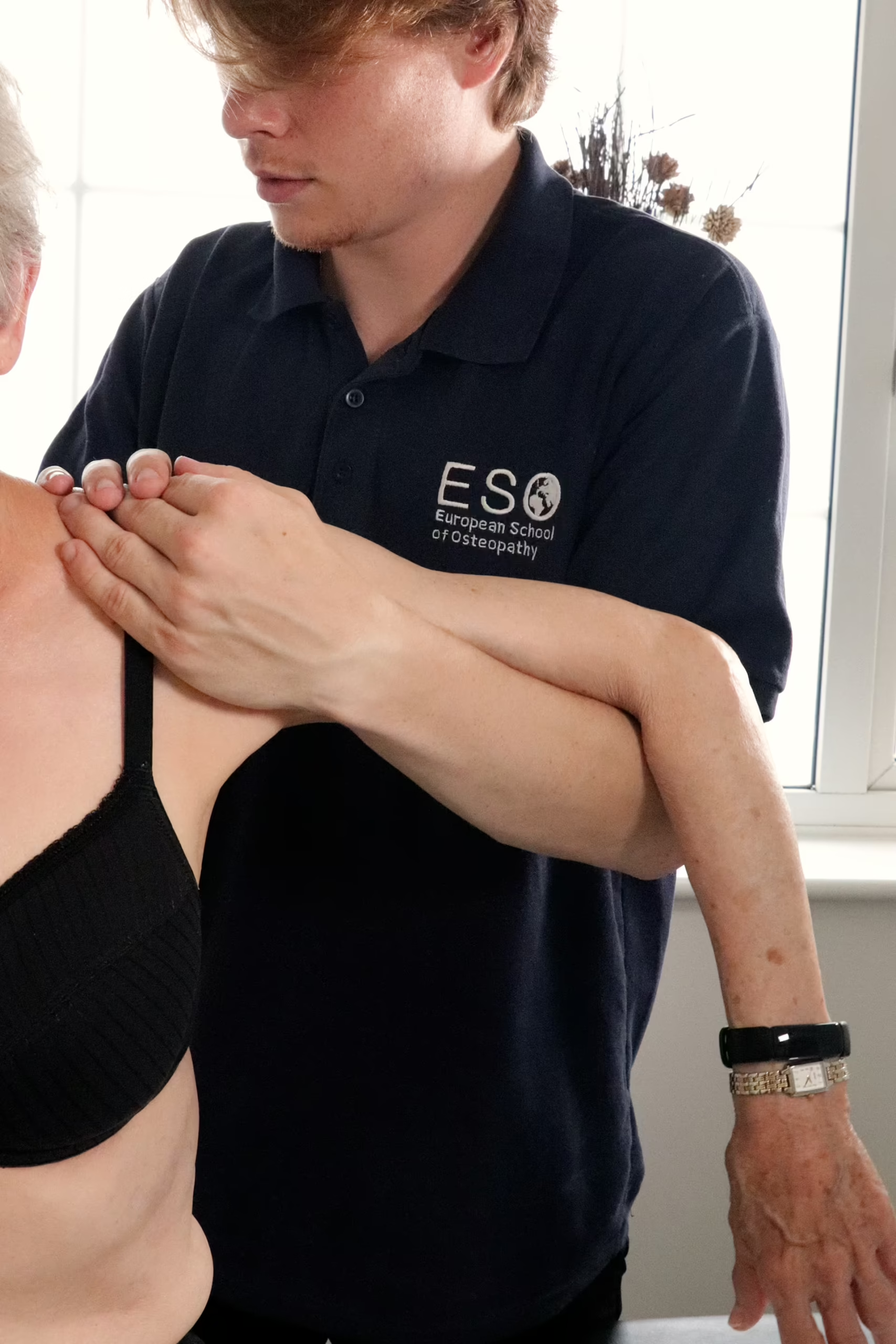
Our physiotherapists will assess your joints, muscle strength and range of movement and work with you to tailor a treatment programme and exercises to meet your individual needs.
We can work with you on a graded exercise programme to build your strength stamina mobility and activity levels.