
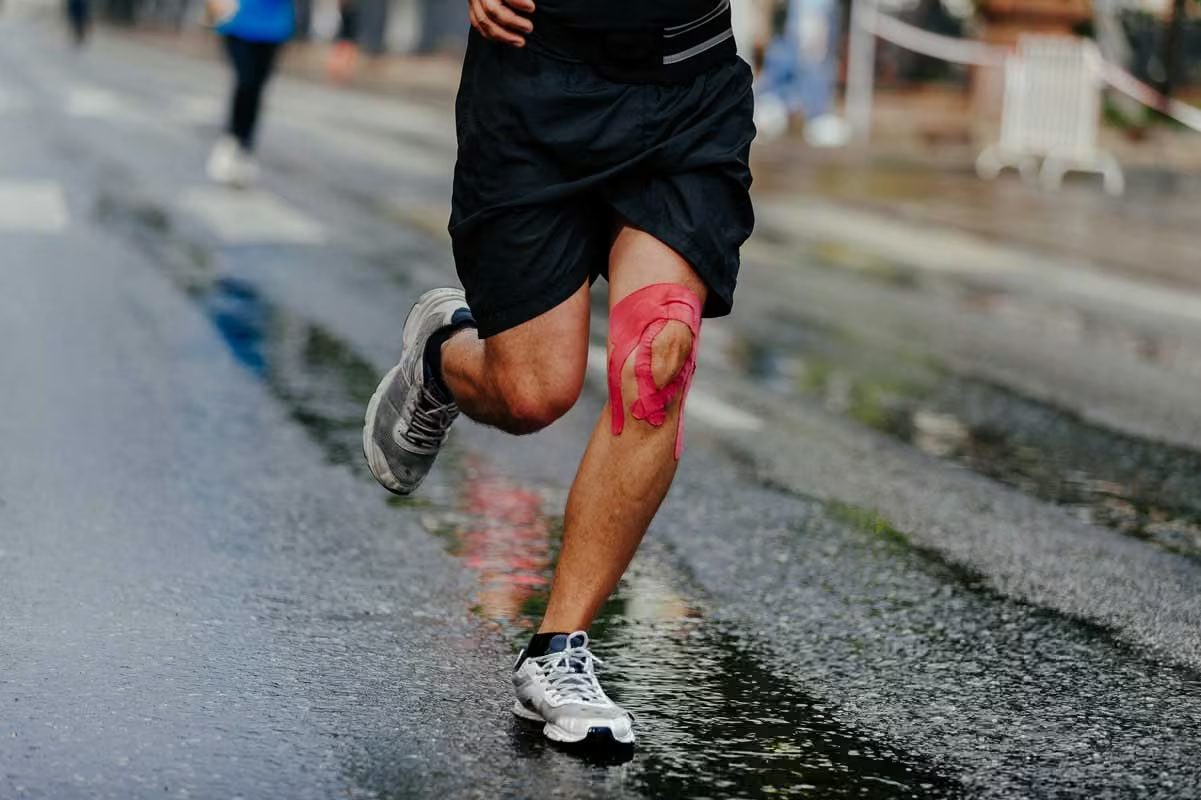
Runner’s Knee treatment
While ‘runner’s knee’ is a common complaint among runners, no one is really immune to it.
One of the reasons it is so widespread is that ‘runner’s knee’ is not a specific illness or injury, but rather a blanket term referring to several different knee problems which all present similar symptoms:
- Pain in, under or around the kneecap (patella)
- Pain when walking, running, getting up from a sitting position or when bending the knee
- Increased pain when walking downhill or down stairs.
Your doctor may diagnose you with runner’s knee (more formally called ‘patellofemoral pain syndrome’) after examining you, or after ruling out other causes or injuries after having the joint x-rayed.
Runner’s Knee FAQs
What can cause runner’s knee?
There could be one or more causes of the pain of runner’s knee, including (but not necessarily limited to):
- A fall, or an impact to the knee itself
- Simple overuse, including certain high impact exercises
- Malalignment of the bones, anywhere from the hip down to the ankle
- Foot problems including fallen arches, overpronation or hypermobility
- Problems with your thigh muscles (quadriceps).
- A breakdown of the cartilage under the kneecap, known as ‘chondromalacia patella’
How should runner’s knee be treated?
That depends on the exact cause. Each cause responds best to different treatments, but physiotherapy is often called for to help alleviate symptoms and hasten recovery.